Describe One Environmental Impact of the Second Agricultural Revolution
In food production led to better diets longer life spans and an increase in population. One way the Agricultural Revolution impacted the environment was by transforming previously undisturbed land into farmland which destroyed habitats for wildlife and decreased biodiversity.
Impact The Second Agricultural Revolution
From there it spread to Europe North America and around the world.

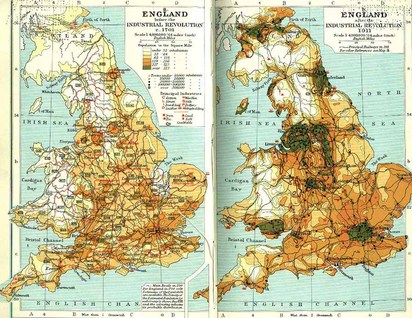
. The increase in the food supply contributed to the rapid growth of population in England and Wales from 55 million in 1700 to over 9 million by 1801 although domestic production gave. This declined the growing of crops each year. Describe one possible negative environmental impact other than loss of habitat or decreasing biodiversity of clear-cutting large areas of old-growth forest.
In some places stretches of forage land are consumed so extensively that grasses are unable to regenerate. Starting in the 17th century and ending in the 19th the second agricultural revolution had lots of innovations of technology that helped feed much more people. The agricultural revolution is the name given to a number of cultural transformations that initially allowed humans to change from a hunting and gathering subsistence to one of agriculture and animal domestications.
Agricultural livestock are responsible for a large proportion of global greenhouse gas emissions most notably methane. With rain or wind the soil was either washed or blown away. Explain the advances and impacts of the second agricultural revolution.
Increase of erosion of sediments into creeks and rivers reducing water quality for fish habitat and human consumption. It involved the introduction of new crop rotation techniques and selective breeding of livestock and led to a. As population increased so did the pool for workers in industry.
Due to inefficient farming methods the top part was left exposed. Herrera Ralph Garcia-Bertrand in Ancestral DNA Human Origins and Migrations 2018 Summary. The Third Agricultural Revolution involves genetic engineering of products as well as the increased use of fertilizers for crops and antibiotics in animal products 3 Von Thunnens Model focuses on transportation.
These when used did not fully disappear. Describe the impact of the Agricultural Revolution on the formation and development of permanent human settlements and technological advancements. Innovations like railroads fertilizer and artificial feed made it easier to grow and transport food.
The machines replaced many farmers making the farmers have to move to the city. The major environmental effects of the agricultural revolution includes deforestation soil degradation global warming climate change pollution irrigation problems and waste. Farmers began to use a technique called crop rotation.
All agricultural practices have been found to have a variety of effects on the environment. With green revolution the natural land isnt required for agricultural land. Soil contamination is another problem that goes hand in hand with industrialization.
Loss of species aquaticterrestrial plants and animals 2. If you could provide some websitesarticles for me to do my research that would be great. The biggest problem is air pollution caused by the smoke and emissions generated by burning fossil fuels.
Up to 10 cash back The Second Agricultural Revolution also known as the British Agricultural Revolution took place first in England in the seventeenth and early eighteenth centuries. Some of the environmental effects that have been associated with meat production are pollution through fossil fuel usage animal methane effluent waste and. Farmers would use pesticides when growing their crops.
Nadya Alcaraz and Mayrhect Yoguez. Crop rotation is a practice of rotating the use of different fields from crop to crop each year to avoid exhausting the soil. The Agricultural Revolution results in agricultural development by introducing new farming techniques and inventions which led to a huge increase in food production.
This enhanced ability to cultivate more amount of food on the land is also useful for the environment. The root systems of native vegetation can. Up to 24 cash back During the second agricultural revolution there were a reduction in the number of people needed to operate the farms.
Destruction of natural wetlands lakes streams forested regions. The environmental impact of meat production varies because of the wide variety of agricultural practices employed around the world. The machines were bad for the environment because they used non-renewable resources and created pollution.
The major environmental effects are as follows. The Agricultural Revolution gave Britain the most productive agriculture in Europe with 19th-century yields as much as 80 higher than the Continental average. The Impact There are four primary impact points when it comes to industrialization air water soil and habitat.
This is because it meant that less natural land required to get transformed to farmland for the production of more amount of food. Over hunting species leads to extinction especially species like giant sloths giant bison mastodons cave bears saber-toothed cats Agricultural Revolution. The Second Agricultural Revolution increased the productivity of farming through mechanization and access to market areas due to better transportation.
In addition overgrazing is a major problem regarding environmental sustainability. Flora and Fauna became domesticated. Describe ONE environmental impact of the Second Agricultural Revolution.
Pesticides and fertilizers used in paddy farming or to control mosquitoes can affect bird reproduction and downstream aquatic ecology. Today more than 80 of human worldwide diet is.
What Is The Second Agricultural Revolution Lisbdnet Com

Agriculture Origins And Revolutions Ppt Video Online Download

What Is The Second Agricultural Revolution Lisbdnet Com

Comments
Post a Comment